
Cable testing is an essential part of modern electrical and cable manufacturing. Every cable must be capable of delivering reliable electrical performance, mechanical strength, insulation protection, and long-term durability. Whether cables are manufactured for power transmission, industrial equipment, automotive applications, telecommunications, or specialized electrical systems, proper testing helps manufacturers identify defects before products reach the customer.
A professional cable testing process begins with understanding the material, construction, and intended application of the cable. Different cables require different testing procedures depending on their conductor material, insulation, dimensions, voltage rating, and operating environment.
Why Is Cable Testing Important?
Cable testing helps manufacturers maintain consistent product quality and verify that cables meet required technical specifications. A small manufacturing defect can affect conductivity, insulation resistance, flexibility, mechanical strength, or overall service life.
Regular testing can help identify:
- Conductor defects
- Insulation weaknesses
- Incorrect cable dimensions
- Poor adhesion between materials
- Electrical leakage
- Insufficient tensile strength
- Improper insulation thickness
- Manufacturing inconsistencies
- Resistance and conductivity problems
By detecting these issues during production, manufacturers can reduce waste, improve reliability, and maintain customer confidence.
Common Cable Testing Methods
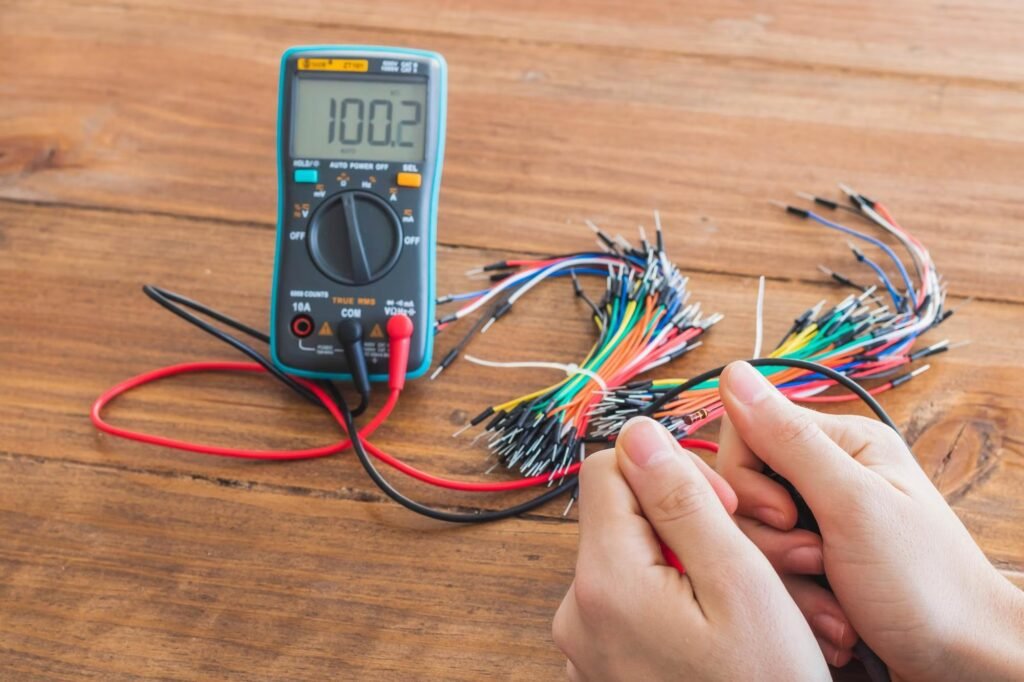
One of the most important tests is conductor resistance testing. This test measures the electrical resistance of the conductor and helps determine whether the cable can carry current efficiently.
Insulation resistance testing is another critical procedure. It evaluates how effectively the insulation prevents unwanted current leakage between the conductor and surrounding materials.
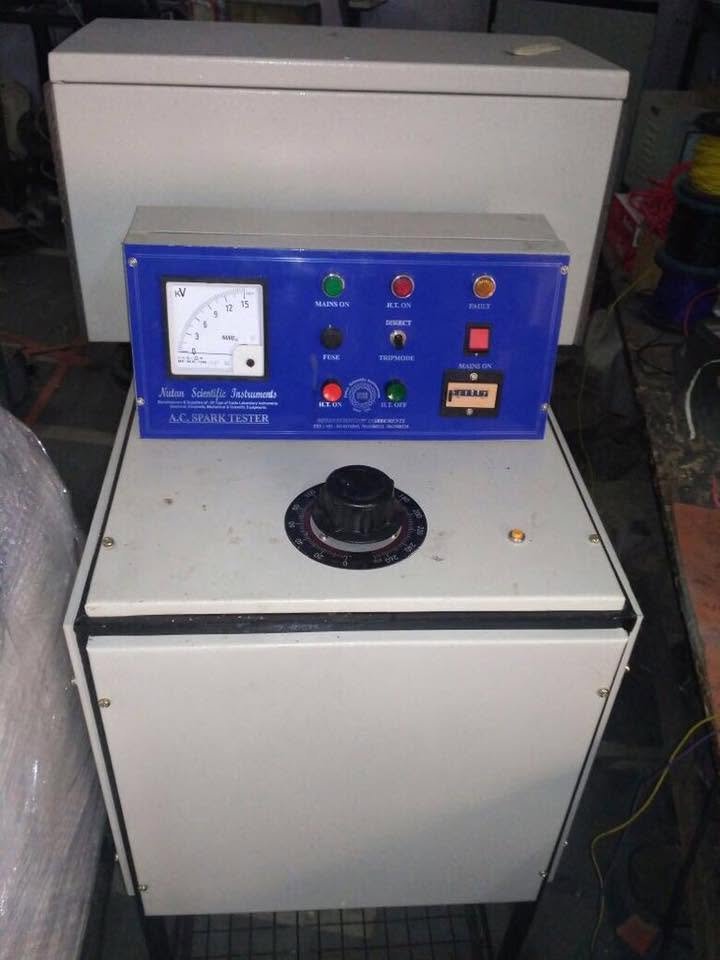
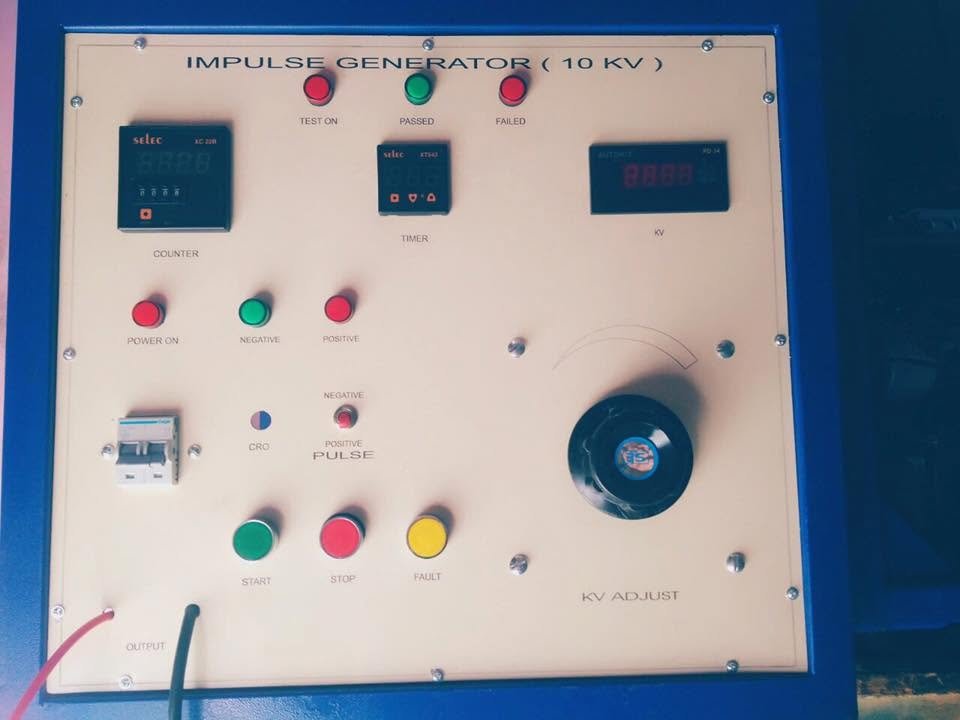
Manufacturers may also perform high-voltage testing, where a controlled voltage is applied to determine whether the insulation can withstand the specified electrical stress.
Mechanical testing is equally important. Tensile strength and elongation tests help determine how a cable behaves when subjected to stretching forces. These properties are particularly important for cables used in applications where movement, installation stress, or vibration is expected.
Importance of Accurate Testing Equipment
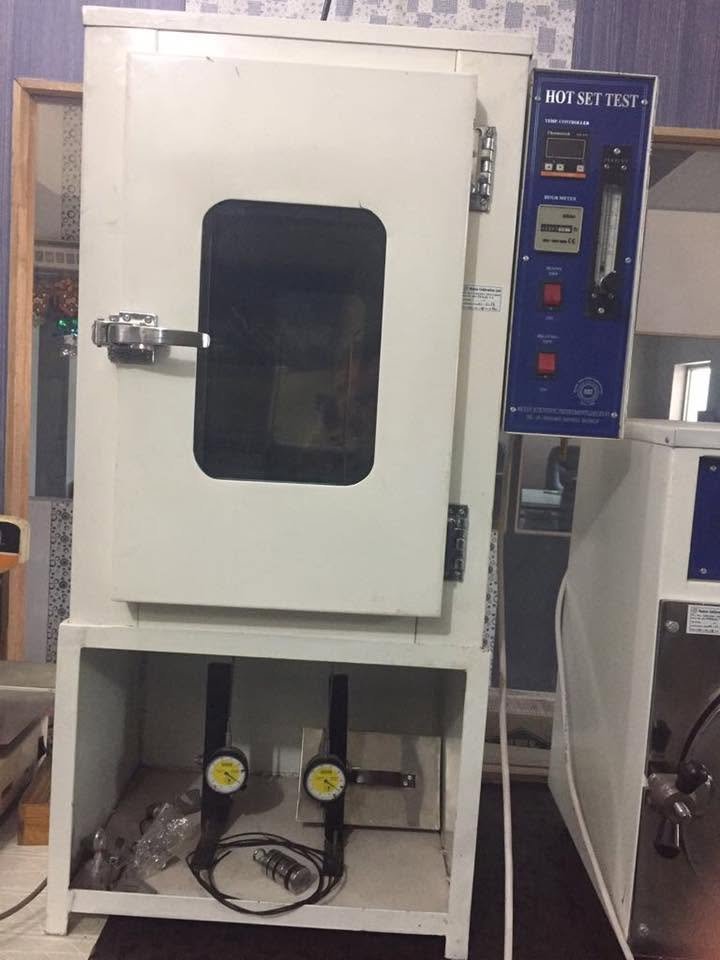
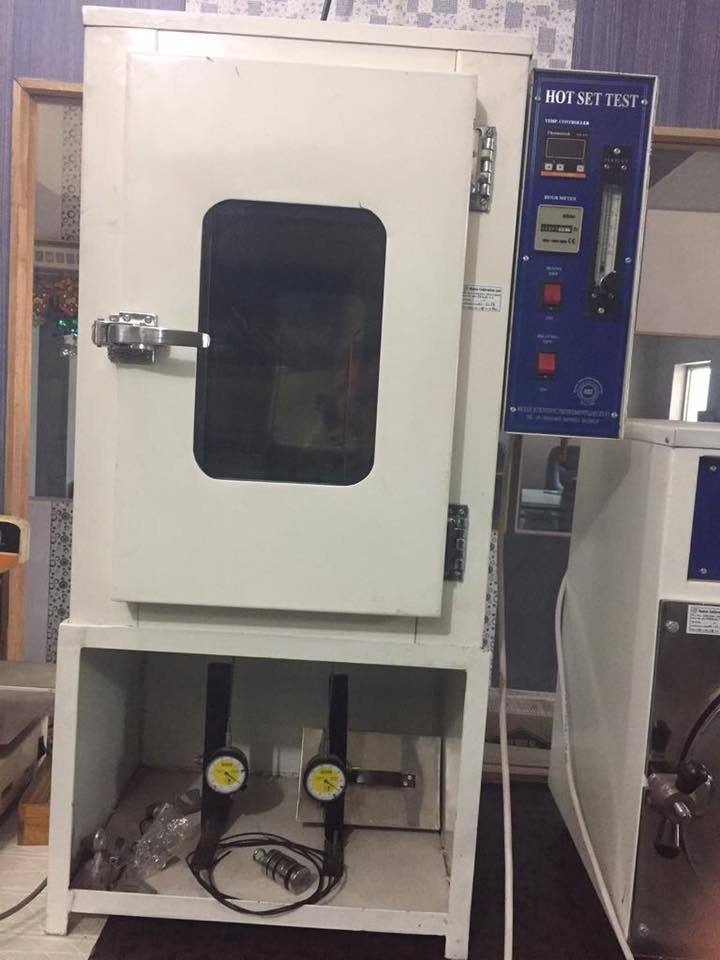
Reliable testing depends heavily on the accuracy and repeatability of laboratory instruments. Modern cable manufacturers use specialized equipment to measure electrical, mechanical, thermal, and dimensional properties.
Testing instruments should provide:
- Accurate measurements
- Repeatable results
- Easy operation
- Durable construction
- Consistent performance
- Suitable safety features
- Compliance with applicable testing standards
A well-equipped laboratory gives manufacturers greater control over production quality and allows technical teams to identify problems quickly.
Role of International Standards
Cable manufacturers often work according to recognized international standards and customer-specific specifications. Standards provide consistent methods for evaluating cable performance and help manufacturers demonstrate that their products meet defined requirements.
Depending on the product and application, testing may involve requirements associated with IEC, BS, ASTM, IS, DIN, or EN standards.
Following appropriate standards is not simply about compliance. It also creates a structured quality-control process that improves consistency throughout manufacturing.
Cable Testing Throughout the Manufacturing Process
Testing should not be limited to the final product. Quality control can be performed at multiple stages, including raw-material inspection, conductor production, insulation extrusion, cable assembly, and final inspection.
Early-stage testing allows manufacturers to identify problems before additional materials and production time are invested.
For example, checking insulation material before extrusion can help prevent larger production problems later. Similarly, measuring conductor properties during manufacturing can help ensure that finished cables remain within specification.
Conclusion
Cable testing plays a major role in producing safe, reliable, and high-quality electrical products. From conductor resistance and insulation testing to tensile strength and dimensional inspection, each test contributes to overall product performance.
Investing in dependable cable testing equipment allows manufacturers and laboratories to improve quality control, reduce manufacturing errors, and produce cables that consistently meet technical requirements.