

PVC is one of the most widely used materials in cable manufacturing because of its flexibility, electrical insulation properties, durability, and cost-effectiveness. However, the performance of a PVC-insulated cable depends heavily on the quality and consistency of the PVC compound used during production.
For this reason, PVC testing is an important part of cable manufacturing and laboratory quality control.
Manufacturers need to understand how PVC behaves under mechanical, thermal, electrical, and environmental conditions. Proper laboratory testing helps ensure that the material performs consistently throughout its expected service life.
Why PVC Testing Matters
PVC compounds can vary depending on their formulation, additives, plasticizers, stabilizers, fillers, and processing conditions. Even small variations in material composition can affect the final characteristics of insulation.
Laboratory testing helps manufacturers evaluate properties such as:
- Tensile strength
- Elongation
- Aging resistance
- Thermal stability
- Density
- Hardness
- Heat resistance
- Flame behavior
- Insulation performance
- Dimensional stability
These tests provide valuable information about whether the material is suitable for its intended application.
Tensile Strength and Elongation Testing
Mechanical properties are particularly important for cable insulation. During manufacturing, installation, and operation, cables can experience pulling, bending, vibration, and other mechanical stresses.
A tensile testing machine measures how much force a PVC specimen can withstand before breaking. Elongation measures how far the material can stretch before failure.
A PVC compound with suitable tensile strength and elongation can provide better mechanical reliability during cable installation and service.
Thermal Aging Tests
Cables may operate in environments where temperatures change significantly. Continuous exposure to elevated temperatures can cause insulation materials to become harder, weaker, or less flexible.
Thermal aging tests simulate long-term exposure to heat. Samples are placed under controlled temperature conditions and then tested to determine how their properties have changed.
This allows manufacturers to evaluate whether the PVC compound can maintain its required performance over time.
Heat Shock and Thermal Stability
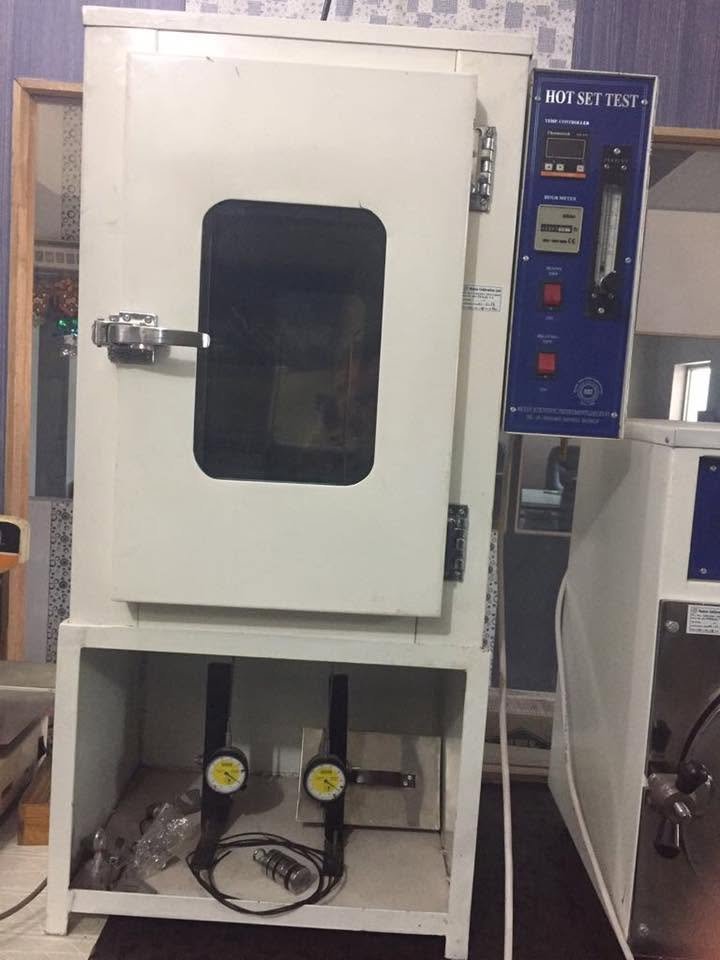
PVC materials can also be evaluated for their behavior when exposed to sudden or prolonged thermal stress.
Heat-related testing can identify problems such as:
- Cracking
- Deformation
- Shrinkage
- Loss of flexibility
- Surface defects
- Material deterioration
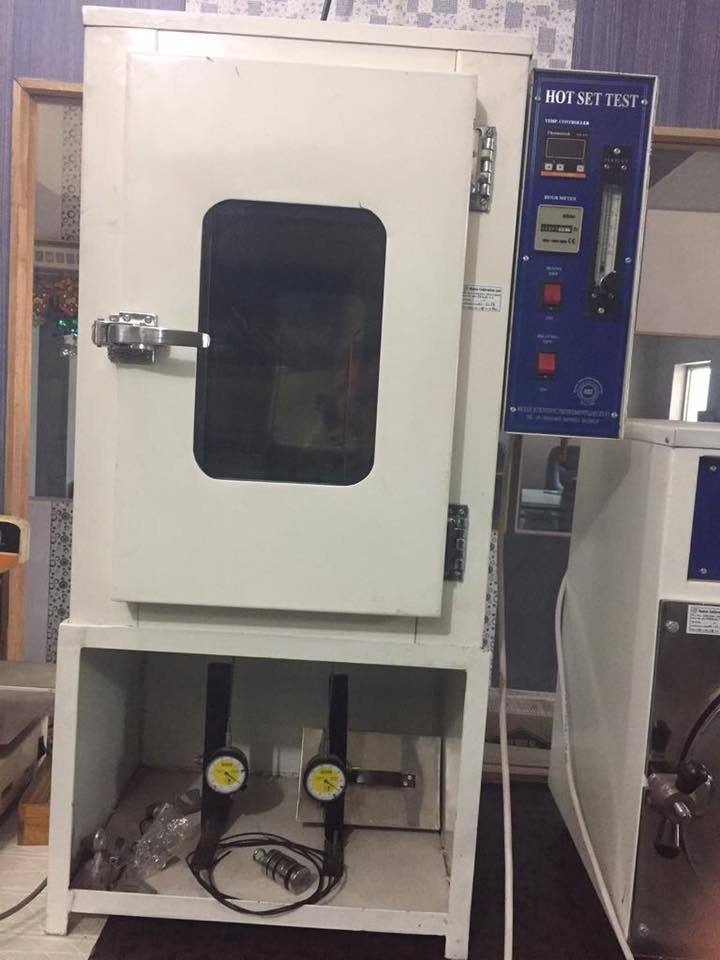
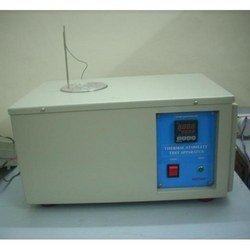
Accurate laboratory ovens, aging chambers, and specialized testing instruments are therefore important components of a cable manufacturer’s quality-control laboratory.
Electrical Properties of PVC
Because PVC is commonly used as electrical insulation, its electrical properties are extremely important.
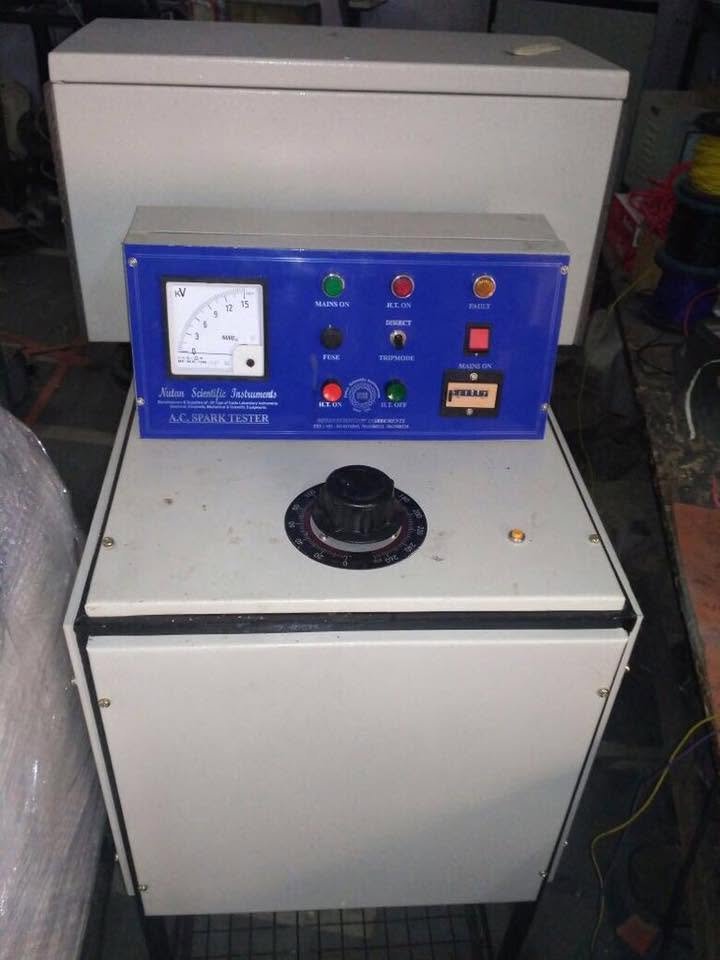
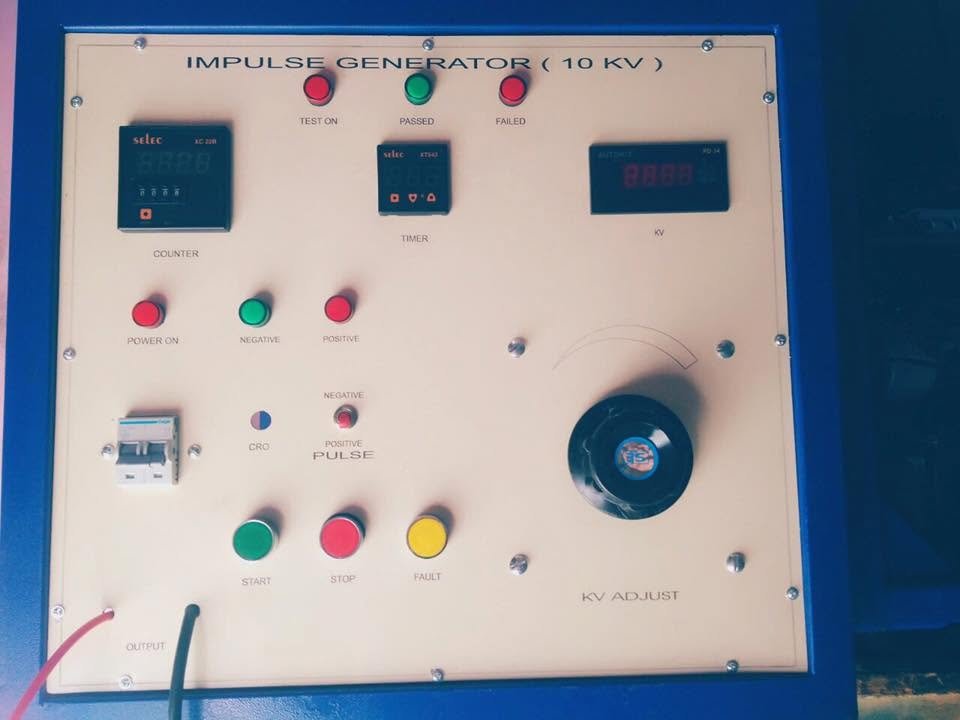
Laboratories may evaluate insulation resistance, dielectric characteristics, breakdown performance, and other electrical properties depending on the cable specification and applicable standard.
Poor electrical performance can create leakage, insulation failure, or safety risks. Testing helps manufacturers identify these issues before cables are released for use.
Importance of PVC Laboratory Instruments
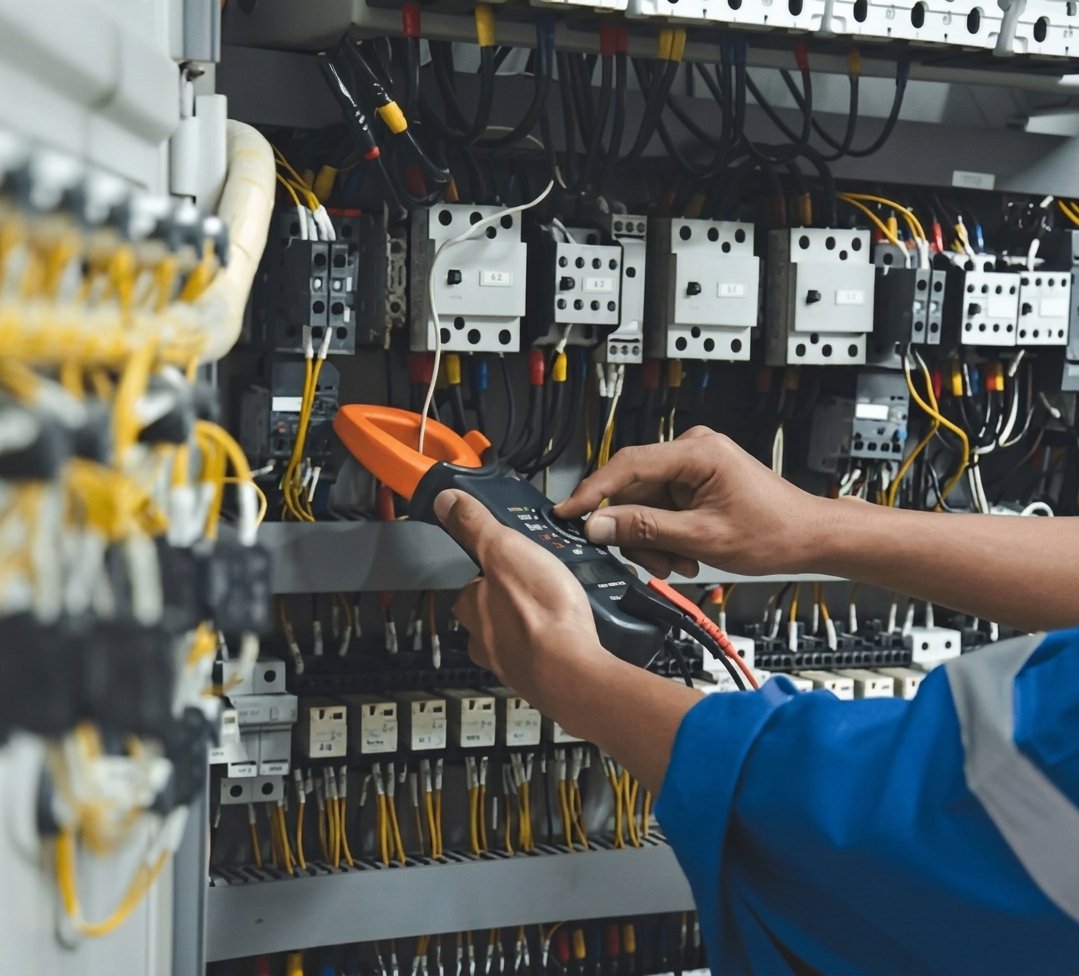
Professional PVC testing requires instruments capable of maintaining controlled testing conditions and producing repeatable measurements.
Laboratory equipment should be selected according to:
- The material being tested
- The required test method
- The applicable standard
- The expected measurement range
- Required accuracy
- Production and laboratory requirements
Using appropriate equipment helps laboratories maintain reliable test results and establish consistent quality-control procedures.
PVC Testing and Cable Quality
The quality of insulation directly influences the reliability of the finished cable. Even if the conductor is manufactured correctly, poor insulation can compromise the entire product.
For this reason, PVC testing should be integrated into the overall manufacturing quality system rather than treated as a separate final-stage inspection.
Raw materials, production samples, and finished cables can all be evaluated at different stages.
Conclusion
PVC testing provides cable manufacturers with valuable information about material performance, durability, and reliability. Mechanical, thermal, electrical, and aging tests can help ensure that PVC insulation performs according to the required specifications.
With accurate PVC laboratory instruments and a well-designed quality-control process, manufacturers can achieve greater consistency, reduce material waste, and produce reliable cable products for demanding applications.