
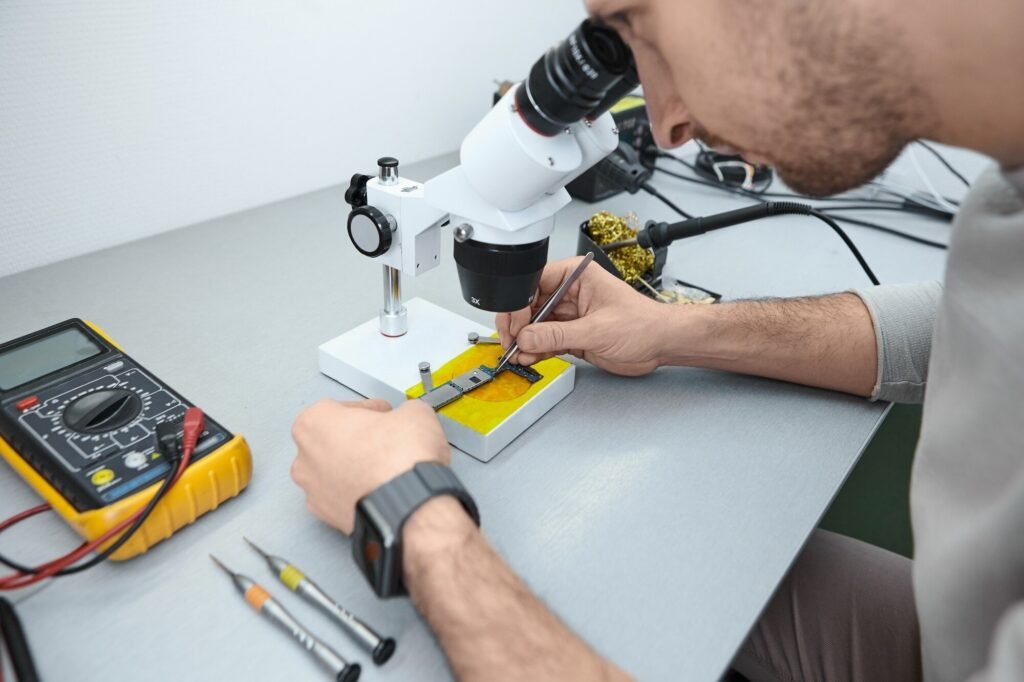
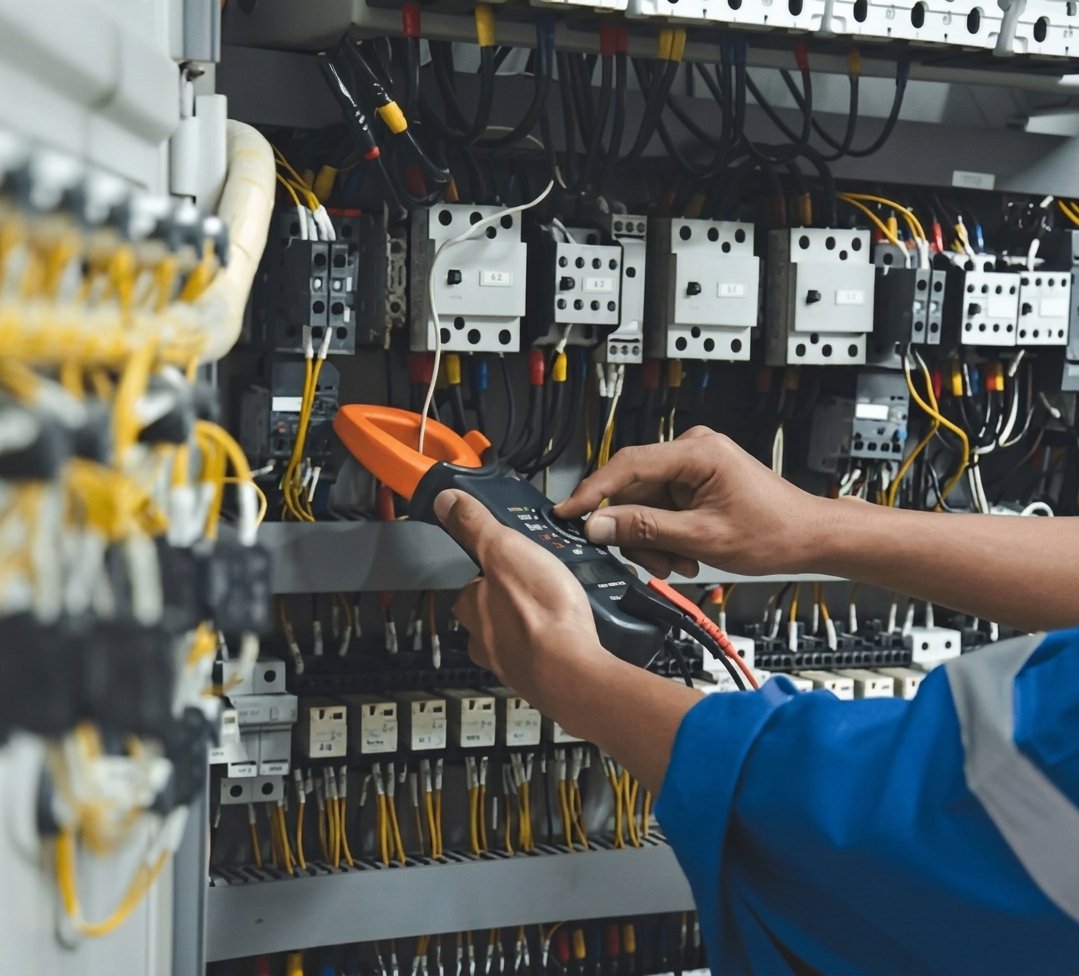
A reliable electrical testing laboratory is an essential part of modern cable and wire manufacturing. As electrical products become more specialized and performance requirements become more demanding, manufacturers need accurate testing equipment to verify product quality at every stage of production.
Electrical testing is not limited to checking whether a cable works. A professional laboratory evaluates multiple characteristics to determine whether a product meets its technical specifications, safety requirements, and expected operating performance.
The Importance of Electrical Quality Control
Manufacturing inconsistencies can occur even in highly controlled production environments. Variations in raw materials, conductor dimensions, insulation thickness, extrusion conditions, temperature, and processing speed can influence the final product.
A structured testing program allows manufacturers to detect these variations early.
Electrical quality control can help improve:
- Product reliability
- Manufacturing consistency
- Customer confidence
- Production efficiency
- Safety
- Compliance
- Material utilization
Essential Electrical Tests
One of the most common laboratory measurements is electrical resistance. Resistance testing helps determine whether a conductor has the expected electrical characteristics.
Insulation resistance testing evaluates the ability of insulation to prevent current leakage.
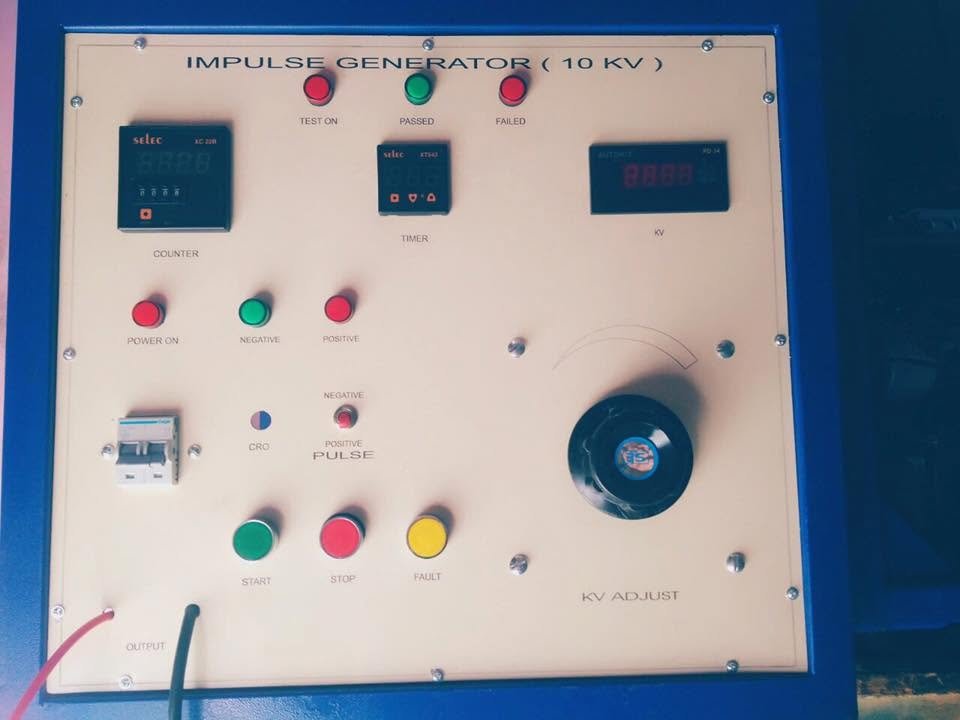
Another important procedure is high-voltage or dielectric testing. This type of test can help determine whether insulation can withstand a specified electrical stress without failure.
Depending on the cable type, manufacturers may also perform continuity, capacitance, dimensional, thermal, and mechanical tests.
Cable Testing Equipment
A modern cable laboratory may include several specialized instruments designed for different testing requirements.
Examples include:
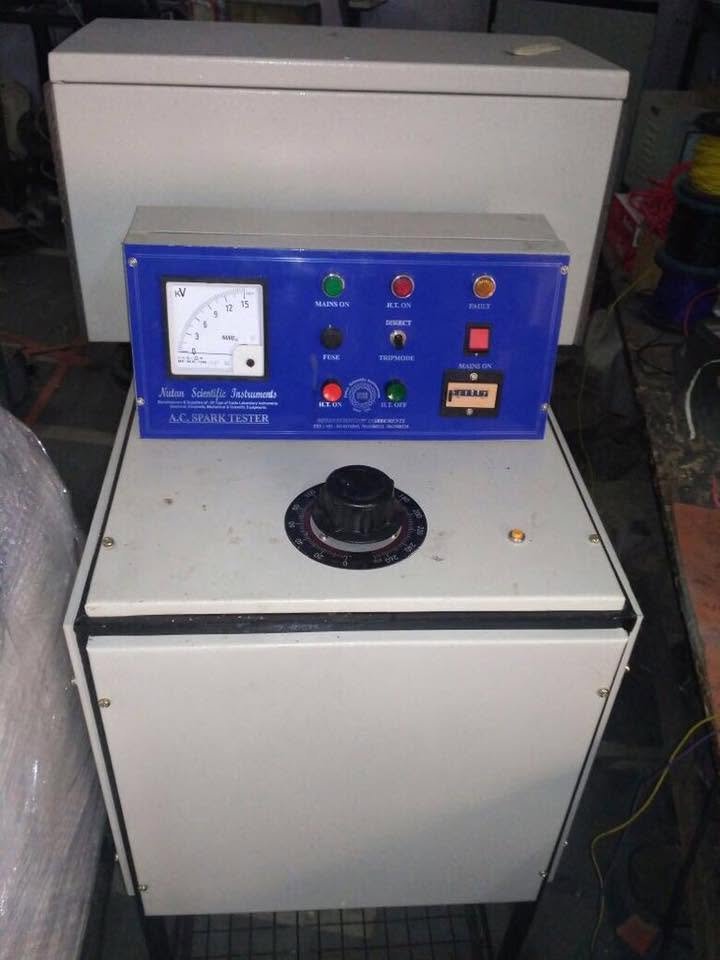
- Cable spark testers
- High-voltage testers
- Insulation resistance testers
- Conductor resistance testing systems
- Tensile testing machines
- Elongation testing equipment
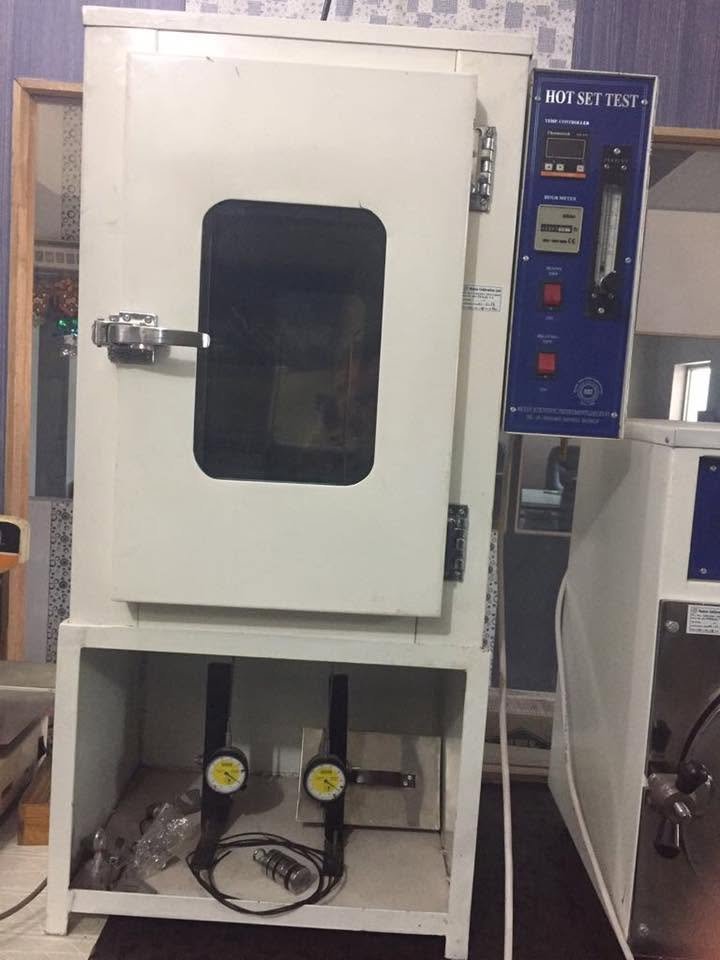
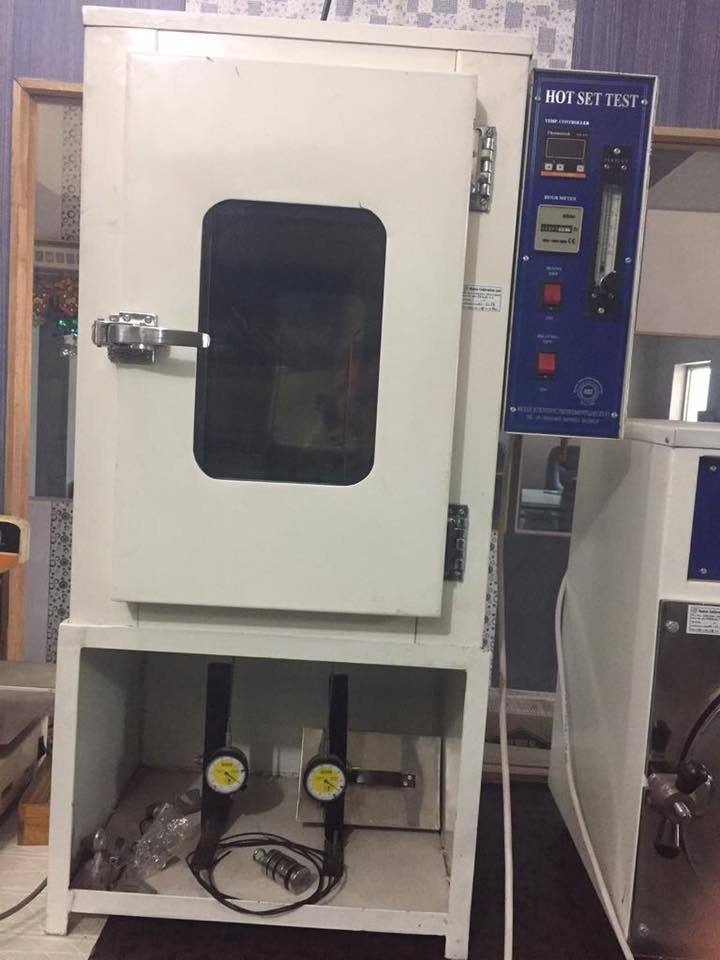
- Thermal aging ovens
- Heat deformation testing equipment
- Environmental testing equipment
- Dimensional measurement instruments
Each instrument has a specific role in evaluating cable performance.
Combining Electrical and Mechanical Testing
Electrical performance alone does not provide a complete picture of cable quality.
A cable may have acceptable electrical properties but still fail because of inadequate mechanical strength or poor insulation durability.
For this reason, professional laboratories often combine electrical testing with mechanical and thermal testing.
For example, a cable specimen may undergo tensile testing to evaluate mechanical properties, followed by aging and electrical testing to determine how its performance changes after exposure to heat.
This approach provides a more complete understanding of product durability.
Testing According to Standards
Testing procedures should be based on appropriate technical standards and product specifications. Depending on the cable and market, manufacturers may need to work with standards such as IEC, ASTM, BS, IS, DIN, or EN.
Standards establish consistent testing procedures and measurement requirements, allowing manufacturers and customers to compare results using recognized methods.
Maintaining proper documentation of test procedures and results is also an important part of quality management.
Designing an Efficient Testing Laboratory
A laboratory should be designed around the manufacturer’s actual production and testing requirements.
Before purchasing equipment, manufacturers should consider:
- Product types
- Cable sizes
- Required test methods
- Production volume
- Measurement ranges
- Required accuracy
- Applicable standards
- Available laboratory space
- Operator requirements
Choosing equipment based only on price can create long-term problems. Reliable instruments should provide stable performance, repeatable measurements, and practical operation.
Benefits of In-House Testing
Maintaining an in-house testing facility can provide manufacturers with greater control over production quality.
Instead of depending entirely on external laboratories, manufacturers can perform routine quality checks during production. This can reduce delays and help technical teams identify manufacturing issues more quickly.
In-house testing can also support research and development by allowing engineers to compare materials, production processes, and product designs.
The Future of Cable Testing
Modern cable manufacturing continues to move toward more controlled, data-driven quality management. Automated testing systems, digital measurement equipment, improved data recording, and integrated production monitoring are helping manufacturers achieve greater consistency.
As product specifications become more demanding, accurate laboratory testing will remain an important part of cable manufacturing.
Conclusion
Electrical testing equipment is a critical investment for cable and wire manufacturers. A properly equipped laboratory can evaluate electrical, mechanical, thermal, and material properties while helping manufacturers maintain consistent product quality.
By combining accurate instruments with standardized testing procedures and effective quality-control processes, manufacturers can improve reliability, reduce production problems, and deliver cable products that meet demanding technical requirements.